AVAILABLE NATIONWIDE. INSTALLED BY LOCAL PARTNERS.
Get an Estimate

AVAILABLE NATIONWIDE. INSTALLED BY LOCAL PARTNERS.
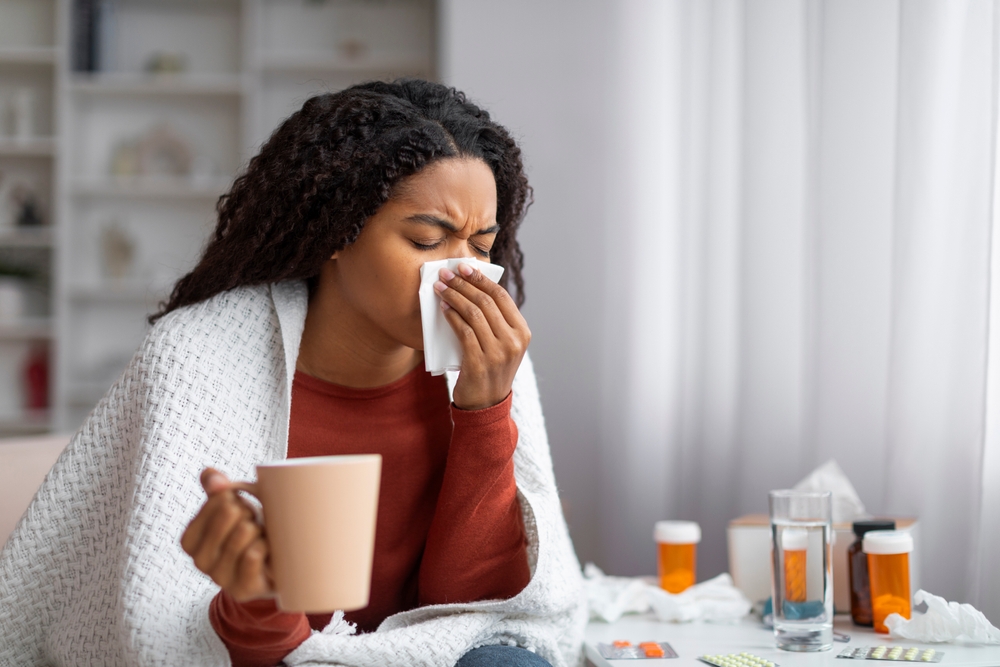
Spring is always a busy time for colds and flu, and 2026 is no different, leading many people to wonder: what virus is going around? Some of the most common viruses this year are HMPV, Influenza A, and Mpox (monkeypox). While each of these viruses is different, indoor air plays a crucial role in how they spread. Anytime people gather inside – at home, at work, in classrooms, or at events – the air you share can carry respiratory viruses from person to person.
One of the best ways to protect your family, co-workers, or students is by installing a whole-house air purifier for viruses. But not every system is designed to address airborne viruses. Maple Air’s Pür Plasma™ uses advanced plasma technology to introduce oxidized molecules into the air which interact with contaminants. This helps reduce particles, including those that may carry viruses, to improve air quality indoors.
Several viruses are circulating at the same time. Right now, the main ones are HMPV, Influenza A, and Mpox. Each has its own set of symptoms and patterns of spread.
These viruses often circulate together, so it’s hard to know which one you have just by symptoms. Testing is the best way to be certain.
HMPV is getting a lot of attention in the U.S. this spring – and for good reason. Public health data, including wastewater monitoring, shows higher levels of HMPV, with Northern California seeing particularly strong activity. Across the country, cases are also on the rise in the Midwest and Northeast.
Human metapneumovirus was first identified 25 years ago and belongs to the same family as RSV. It usually shows up seasonally, but this year it’s more widespread than usual. It spreads indoors through respiratory droplets, smaller airborne particles, and contaminated surfaces.
Symptoms often start off mild but can become more serious over time. Common signs include:
In some cases, it can lead to bronchitis, pneumonia, or bronchiolitis, especially for young children, older adults, and people with underlying conditions like asthma, COPD, or weakened immune systems.
There’s no vaccine or specific antiviral treatment for HMPV. Most people get better with rest, fluids, and at-home care such as practicing good hygiene. Because it spreads easily indoors and can hit higher-risk groups harder, it’s important to limit exposure in shared spaces.
Many providers are reporting a second wave of Influenza A – a highly contagious respiratory virus – extending later than usual. People can go from feeling well to very sick within a day, with Influenza A symptoms including fever, body aches, and fatigue appearing suddenly.
The flu spreads in two ways:
These tiny particles can build up, especially in rooms with poor ventilation, which means you can be exposed even if you distance yourself from someone who’s sick. Antiviral medications can help, but keeping your indoor air clean and reducing exposure are still the best ways to protect yourself.
Even in 2026, Mpox is still around, but it spreads in a different way than HMPV or Influenza A. Most transmission happens through close, direct skin-to-skin contact, including touching lesions or coming into contact with contaminated items like clothing and bedding.
In rare cases, there’s some risk of airborne exposure in very enclosed or poorly ventilated spaces. Common Mpox symptoms include:
Some people are at higher risk, but keeping indoor air clean can still help reduce exposure. Understanding how Mpox spreads makes it easier to spot and shows why using multiple safety measures in shared spaces matters.
Oropouche virus has been gaining attention, but it’s mainly spread through insect bites from midges or mosquitoes. It’s most common in parts of Central and South America. Symptoms include fever, headache, muscle pain, and sometimes a rash.
From an indoor air perspective, Oropouche is not a primary concern. We’ve included it here for context and general awareness of emerging viruses.
Other viruses like RSV, common cold viruses, and adenoviruses are also circulating. For most healthy adults, these tend to cause mild symptoms, but they can still make children, older adults, and people with weaker immune systems sick.
To protect yourself from viruses, keep indoor spaces well-ventilated, wash hands regularly, and use an effective air purifier for viruses to reduce exposure.
Airborne virus transmission happens when tiny respiratory particles are released into the air through breathing, talking, coughing, or sneezing. Larger droplets fall quickly, but smaller aerosols can hang around for minutes or hours, drifting and building up in enclosed spaces. Viruses like HMPV and Influenza A, including the airborne flu virus, can take advantage of this shared indoor air.
Ventilation makes a big difference. Air changes per hour (ACH) measure how often indoor air is replaced with fresh air. Many homes and buildings recirculate air more than they refresh it, letting small particles keep moving through the same system. Standard HVAC filters catch bigger particles, but the tiniest aerosols can slip through, which is why layered protection matters.
Understanding how viruses spread indoors makes it easier to take simple steps to stay safer. Improving ventilation, upgrading filtration, and using plasma air purification can all help reduce particles in the air, especially in homes, schools, and offices where people spend a lot of time together.
Filtration matters, but it’s only part of the picture. HVAC systems are primarily for moving and conditioning air, while filtration is secondary. Most systems:
Airborne pathogen reduction goes further by lowering the overall concentration of airborne contaminants. This includes:
In busy settings, such as offices, schools, or healthcare settings, this layered approach is especially important.
HEPA filtration is passive. It traps particles that pass through the filter but relies on airflow to do its job. Smaller aerosols can slip through or stay in the air if they never reach the filter.
Other common air purifiers for viruses have similar limitations. Activated carbon filters neutralize some odors and gases, but they don’t capture airborne particles that may carry viruses. Some ionizers and basic air cleaners can move particles around or help them settle, but they don’t actively reduce what’s circulating throughout the space in a consistent way.
Maple Air Pür Plasma™ works differently. Instead of just trapping particles, it creates a stable, energized plasma field that produces oxidized molecules. As air naturally moves through your space, these molecules interact with airborne contaminants, helping break them down before they’re breathed in. As particles settle, that same process can also help reduce contaminants on surfaces over time.
In a third-party test, Maple Air Pür Plasma™ deactivated airborne viruses in about one minute, while other systems like PCO (60 minutes) and ionizers (200 minutes) took significantly longer. Time to treat matters in occupied spaces, where pollutants and people are constantly changing, creating a continuous flow of new contaminants.
For homes, offices, or any shared space, Maple Air Pür Plasma™ goes beyond basic filtration. It works throughout the air and on surfaces to reduce particles and support healthier indoor air and overall cleanliness. To learn more, contact us at info@getmapleair.com.


Healthier air in
Indian Trail, NC
with Maple Air
1500 sq ft home
Air Bioburden
(microbe units per cubic meter of air)
Industry standard:
>300 = poor air quality,
<100 = healthy air quality
Lab: Scientific Air Solutions in Turlock, CA


Healthier air in
Marvin, NC
with Maple Air
4000 sq ft home
Air Bioburden
(microbe units per cubic meter of air)
Industry standard:
>300 = poor air quality,
<100 = healthy air quality
Lab: Scientific Air Solutions in Turlock, CA


Healthier air in
Matthews, NC
with Maple Air
5000 sq ft home
Air Bioburden
(microbe units per cubic meter of air)
Industry standard:
>300 = poor air quality,
<100 = healthy air quality
Lab: Scientific Air Solutions in Turlock, CA



Air improvement
Surfaces improvement

Air improvement
Surfaces improvement

Air improvement
Surfaces improvement

Air improvement
Surfaces improvement

Air improvement
Surfaces improvement

Air improvement
Surfaces improvement

Air improvement
Surfaces improvement
Every Piece Is Unique

Not all air purifiers work the same, and the technology inside makes a big difference in what actually gets removed from your air. This guide compares the most common systems and explains which ones are best equipped to handle the full range of indoor pollutants.

If you’re comparing ozone generators and air purifiers, it’s important to understand they work in very different ways. This article breaks down how ozone systems operate, their limitations and safety concerns, and why plasma air purification offers a more practical solution for everyday, occupied spaces.
Available nationwide