AVAILABLE NATIONWIDE. INSTALLED BY LOCAL PARTNERS.
Get an Estimate

AVAILABLE NATIONWIDE. INSTALLED BY LOCAL PARTNERS.
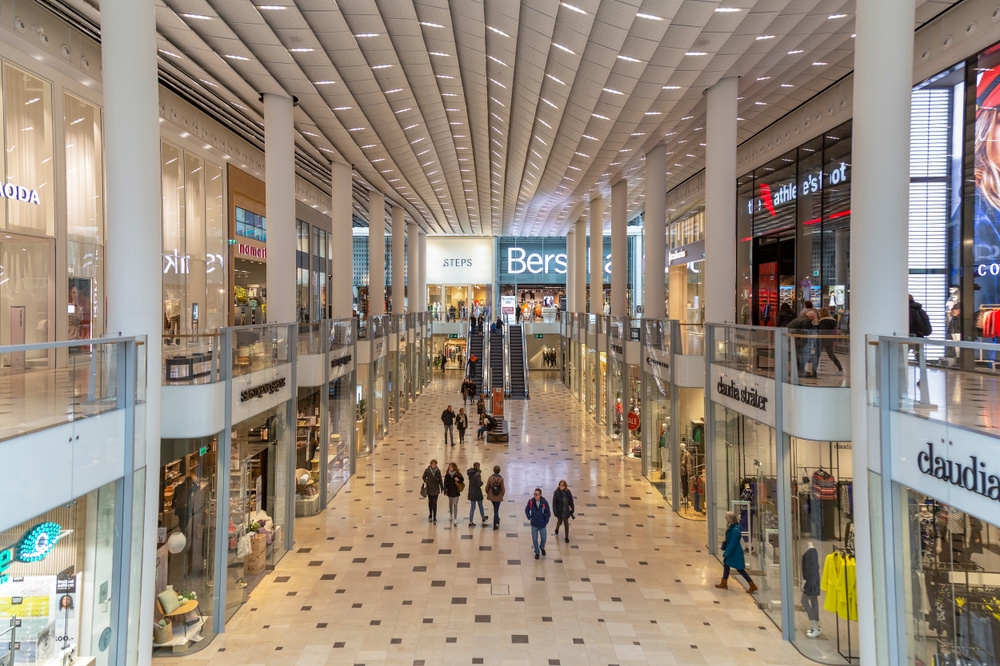
It’s Monday morning, and a contractor walks into a busy office building just after a weekend renovation. The manager points toward a conference room and says, “Something smells off. The new carpet smell is overwhelming, and people are complaining.” The usual response might be to bring in a few portable air purifiers or dehumidifiers and hope the problem fades. This rarely solves the real issue, though, as contaminants linger and odors often return – something that can quickly impact employee comfort and morale as more people return to the office.
Restaurants, retail stores, and offices – as well as homes and living facilities – face similar challenges. A complete indoor air quality approach treats the entire space and addresses all types of contaminants. Permanent solutions like a wall-mounted or in-duct air purification system work with the building’s HVAC system to reduce VOCs, gases, pathogens, surface contaminants, and odor.
Whole-building air purification systems like Maple Air Pür Plasma go beyond temporary fixes that use outdated technology. Instead of waiting for the air to come to it, Maple Air takes an “offensive” approach by sending out healthy, oxidized molecules that neutralize contaminants and provides continuous purification in real-world environments where people live, work, and play.
For contractors, HVAC dealers, and indoor air quality specialists, this means a long-term solution that keeps clients satisfied and spaces healthier without repeated visits or recurring complaints.
When contractors respond to air quality complaints, they typically rely on decades-old solutions such as portable air purifiers, mobile HEPA units, or dehumidifiers. While these tools can reduce odors and airborne contaminants for a short time, they don’t treat surfaces, break down VOCs or harmful gases, or address pollutants moving through the HVAC system. Once the units are removed and normal HVAC operation resumes, the odors and contaminants usually come back.
For results that last, commercial IAQ strategies in 2026 should go beyond temporary fixes and target the root sources of contaminants throughout the building. Systems designed for continuous, whole-space treatment keep air and surfaces cleaner, reduce complaints, and provide reliable indoor air quality over the long term.
Before recommending a solution to a client, it’s important to understand what makes an indoor air system truly effective. These core features can make the difference in delivering long-term, whole-building air and surface purification include:
The system needs to perform well in occupied spaces – not just labs – even as doors open, humidity changes, and people move in and out. It should reduce mold, fungi, bacteria, viruses, and other pathogens in both the air and on surfaces, giving building owners confidence that their spaces are truly cleaner. A controlled lab is a small, enclosed space typically under 1,000 square feet, while most commercial buildings exceed 15,000 square feet and have occupants, open doors, and constant air movement.
Many odors and harmful contaminants come from gases, not just dust or particles, and temporary units only treat the air in a single room. A whole-building commercial air purification system goes further by neutralizing pollutants at the source – carbon monoxide, nitrogen oxides, ozone, radon, and VOCs like formaldehyde – while also reducing odors and addressing contaminants on surfaces. This approach keeps the air cleaner throughout the entire building, not just in isolated areas.
Commercial buildings vary widely, from small office spaces to large athletic facilities and expansive casinos with high ceilings. A system like Maple Air takes square footage, ceiling height, building layouts, and HVAC type into consideration and treats the full three-dimensional volume rather than just a single room for even coverage.
Whole-building air purification systems are designed to last the life of the HVAC system, without constant upkeep or replacing parts. For contractors, that means fewer callbacks and more consistent air quality for their clients.
A good whole-building system treats large areas efficiently, so you don’t need multiple units to cover the space. Solutions like the Maple Air Mini deliver broad coverage at a lower cost per square foot, making them more affordable over time compared with many portable alternatives.
These systems integrate smoothly with existing HVAC setups, so there’s no need for major renovations or invasive construction. Installation is straightforward, allowing contractors to provide effective air quality methods without disrupting the building.
Air and surface purification should run automatically and continuously, without constant attention, so protection stays steady.
Portable units only clean the air in the immediate area around them, leaving surfaces and much of the building untouched. Maple Air Pür Plasma systems, whether installed in-duct or mounted on the wall, continuously clean both air and surfaces throughout the entire space, even in large rooms or open-concept areas. They break down VOCs, gases, smoke, odors, bioaerosols, and grease, delivering up to 15 times the performance of traditional portable purifiers.
Because the system works with the building’s natural airflow, clean air is distributed evenly and consistently. Multi-technology processes – including plasma, ionization, and oxidation – neutralize contaminants as air moves through the building, instead of letting them settle or circulate.
The result is more reliable, long-term air quality with fewer odor complaints and a more comfortable environment for occupants, allowing contractors and technicians to deliver consistent results clients can see and trust.
Persistent odors are another common problem in commercial spaces. Knowing where these smells come from can help HVAC contractors address the cause rather than just masking the problem:
These odors stem from continuous off-gassing, lingering gases, and surface contamination – not just airborne particles.
Not all commercial spaces experience indoor air quality issues the same way. Understanding common sources of odors and contaminants helps contractors choose the right solution:
VOCs from paint, adhesives, and new carpet build up quickly, so treating the entire building is important.
Smoke, grease, and cooking odors mix with strong cleaning chemicals, creating a constant buildup of pollutants that’s hard to manage with temporary solutions.
Construction, new furniture, and routine maintenance release VOCs that HVAC systems can carry throughout a building, making whole-space air and surface treatment a smarter approach.
Bioaerosols, sweat odors, and disinfectant VOCs build up in these busy spaces. Continuous purification is required for safety and comfort.
Persistent odors, VOCs, and airborne contaminants require more than temporary devices. Contractors and HVAC professionals can provide lasting solutions with Maple Air Pür Plasma systems, offering clients cleaner air, lower cost of ownership, and true whole-building coverage. With proven performance, these systems treat both air and surfaces continuously, keeping commercial spaces healthier and more comfortable.
To bring this level of indoor air quality to your clients, get an estimate today to integrate Pür Plasma solutions into your commercial IAQ offerings.


Healthier air in
Indian Trail, NC
with Maple Air
1500 sq ft home
Air Bioburden
(microbe units per cubic meter of air)
Industry standard:
>300 = poor air quality,
<100 = healthy air quality
Lab: Scientific Air Solutions in Turlock, CA


Healthier air in
Marvin, NC
with Maple Air
4000 sq ft home
Air Bioburden
(microbe units per cubic meter of air)
Industry standard:
>300 = poor air quality,
<100 = healthy air quality
Lab: Scientific Air Solutions in Turlock, CA


Healthier air in
Matthews, NC
with Maple Air
5000 sq ft home
Air Bioburden
(microbe units per cubic meter of air)
Industry standard:
>300 = poor air quality,
<100 = healthy air quality
Lab: Scientific Air Solutions in Turlock, CA



Air improvement
Surfaces improvement

Air improvement
Surfaces improvement

Air improvement
Surfaces improvement

Air improvement
Surfaces improvement

Air improvement
Surfaces improvement

Air improvement
Surfaces improvement

Air improvement
Surfaces improvement
Every Piece Is Unique

Not all air purifiers work the same, and the technology inside makes a big difference in what actually gets removed from your air. This guide compares the most common systems and explains which ones are best equipped to handle the full range of indoor pollutants.

If you’re comparing ozone generators and air purifiers, it’s important to understand they work in very different ways. This article breaks down how ozone systems operate, their limitations and safety concerns, and why plasma air purification offers a more practical solution for everyday, occupied spaces.
Available nationwide