AVAILABLE NATIONWIDE. INSTALLED BY LOCAL PARTNERS.
Get an Estimate

AVAILABLE NATIONWIDE. INSTALLED BY LOCAL PARTNERS.
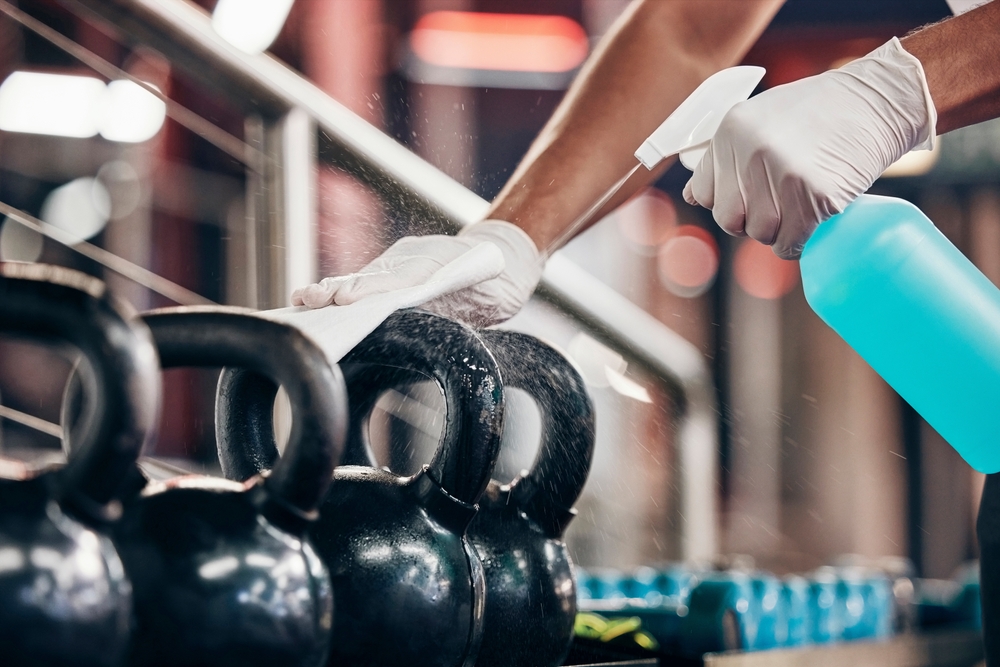
Athletes take their health seriously, but are the gyms they visit every day doing enough to keep them safe from germs? Shared weights and workout equipment – along with a combination of sweat, skin flakes, and humidity – make gyms more prone for contaminants such as bacteria, viruses, and fungi to grow and thrive on surfaces. In fact, studies show that free weights can carry up to 350 times more bacteria than a toilet seat.
People often mention online getting sick or developing infections they believe came from the gym, including staph, ringworm, and other skin issues. Many point to shared equipment, sweaty pads, and damp locker rooms as likely sources and express frustration about inconsistent cleaning.
Regular cleaning does reduce the risk, but germs can still remain on high-touch surfaces. Understanding gym-related risks is the first step to protecting athletes and helping facility managers improve cleaning and safety practices.
The right combination of cleaning, ventilation, and air purification can reduce the spread of infections in gyms. Installing advanced systems like Maple Air helps gyms stay ahead by continuously reducing airborne germs, surface contaminants, and odors in enclosed spaces.
Your local gym might seem safe at first glance, but viruses, bacteria, and fungi are often hiding in dark corners, on equipment, and in damp areas where they can flourish unnoticed. With 2026 on the horizon and more than 90,000 gyms across the country expecting heavier foot traffic, keeping the following spaces clean and healthy is crucial.
Benches, pads, dumbbells, mats, and handles are touched hundreds of times a day, picking up sweat and skin cells along the way. Staph bacteria, including MRSA, can begin to grow if these areas aren’t treated consistently.
Weights and exercise equipment should be wiped down after every use, but quick wipe-downs don’t always do much. Disinfectants need to stay wet for about 30 seconds to kill tougher bacteria like MRSA, and most people don’t wait that long between sets. That’s why regular, thorough cleaning by gym staff is still essential to help reduce the risk of skin rashes and more serious infections.
Bacteria can also be transferred from free weights to athletes’ hands and clothing. Washing your hands, using clean towels, and wiping down equipment all reduce bacteria and lower the risk of skin infections or rashes at the gym.
“The first several layers of the skin are like a castle wall protecting the athlete from outside marauders," Dr. Brian Adams, director of University of Cincinnati Sports Dermatology Clinic, told CNN. “Abrasions from mats and weight equipment, blisters from constant rubbing while running or using weight equipment both help to break down the castle wall and allow microorganisms to enter the skin.”
Most gyms have rows of treadmills, ellipticals, and stationary bikes. Their handles, grips, heart-rate sensors, and touchscreen monitors are commonly touched and can carry bacteria, like staph, or viruses if not cleaned thoroughly. Sweat and skin contact on these machines can sometimes cause minor rashes or skin irritation.
Cleaning machines and washing hands after working out can stop the spread of contaminants to keep gyms safer.
Highlighting the real risks of germs in gyms, one online user wrote, “Just moved and joined a new gym that’s pretty popular. A month and a half in, I got a staph infection (never have gotten one in 4+ yrs of training),” showing how quickly bacteria can spread in shared facilities.
Yoga mats, blocks, and shared towels are like magnets for collecting bacteria and fungi, which can cause infections such as athlete’s foot or ringworm. In heated or crowded classrooms, those germs spread quickly.
Bringing your own mat and towel, wiping down shared equipment before and after use, and using personal items whenever you can all help reduce exposure to germs. Even when studios disinfect between classes, these steps make it easier for athletes to stay healthy and protected during group workouts.
Locker rooms are the hardest areas in gyms to keep clean. Damp floors, benches, and tile surfaces hold moisture to create the perfect environment for fungi and bacteria, like staph, to thrive.
Wearing flip-flops in showers and on wet locker floors limits exposure to these gym contaminants. Walking barefoot, even on a floor that appears clean, may cause fungus infections, skin irritation, or athlete’s foot.
Gym managers should use low-VOC disinfectants when mopping to ensure tiles and grout remain dry and clean damp spots quickly. Proper airflow, installing air purification devices, and frequent cleaning cut down on lingering germs and make locker rooms safer.
Saunas and steam rooms are warm and humid, which makes them ideal places for bacteria and fungi like athlete’s foot and ringworm to form. People with infections or open skin sores should skip these areas to prevent spreading germs.
Without daily cleaning, benches and floors can collect microbes that cause skin or fungal infections. Antimicrobial treatments for wood surfaces help keep these damp spaces secure for everyone.
Some gym-goers experience firsthand how easily fungal infections can spread in workout facilities. One gymgoer warned: “I learned the hard way. Bring your own Clorox wipes to the gym and wipe down equipment before you use it—I have ringworm all over my neck and chin from the gym. Also, shower even if it’s just a rinse once you get home, and don’t sit in your gym clothes for long!”
Other areas of concern include:
Let’s take a closer look at the three main contaminants found in gyms: bacteria, fungi, and viruses.
Bacteria like staph can stay on vinyl, rubber, and steel surfaces for hours or even days. Frequently touched spots – such as benches, mats, and treadmill handles – give sweat and skin contact an easy path to spread infections. Because of this, facilities should build routine disinfection into their daily operations.
Even with regular cleaning, bacteria can hide in corners and hard-to-reach areas, leading to skin rashes, locker room infections, or gym-related outbreaks. Using surface treatments and installing air purification devices can reduce these risks.
Fungal infections are common in gyms, especially in damp or frequently shared areas. In addition to ringworm and athlete’s foot, gymgoers can also be at risk for jock itch and nail fungus. These issues can develop from walking barefoot in locker rooms or showers or coming into contact with surfaces and towels. Yoga mats, locker room floors, and shower surfaces are all common spots where fungi grows.
High humidity makes the problem worse by allowing fungi to spread quickly on wet surfaces. These infections can cause itching, rashes, and discomfort. Wearing flip-flops, not sharing towels, and keeping surfaces dry can help prevent these issues.
Using antimicrobial coatings in high-risk areas can reduce recurring fungal problems caused by lingering spores.
Viruses like herpes, HPV, norovirus, and the flu can survive on gym surfaces anywhere from a few hours to several days. In crowded facilities, shared towels, mats, and equipment allow viral particles to spread.
Herpes and HPV don’t stay on surfaces very long, but open cuts or direct contact can still spread them. Norovirus and the flu, on the other hand, can survive longer on frequently touched equipment.
Keeping gyms clean and safe is a constant challenge. Maple Air helps close the gap by continuously removing harmful contaminants such as bacteria and viruses in the air and on surfaces. It works best alongside regular cleaning, disinfecting, and basic hygiene precautions.
Maple Air Pür Plasma™ is the gold standard of purification systems. It breaks down pollution at a molecular level both in the air and on surfaces. Unlike older solutions that rely on decades-old technology, Maple Air is ozone-free, 100% organic, and built to last longer than most HVAC systems.
In gyms, Maple Air works to remove germs on high-touch surfaces like free weights, bench pads, cardio handles, and yoga mats. It also neutralizes contaminants in the air that could settle on equipment, mats, benches, or even walls affected by mold.
When paired with regular cleaning, Maple Air makes it easier for gyms to stay truly clean without extra work for staff. By constantly breaking down bacteria, fungi, and viruses, it helps keep gyms fresher and safer during peak hours, so members can focus on their workouts instead of worrying about getting sick.
Adding two Maple Air PRO units is enough to handle most gyms over 400,000 cubic feet, ensuring the air stays fresh and safe. This investment benefits everyone: it safeguards members’ health, helps retain and attract staff, and ultimately makes your gym a better place to work and train.
Get an estimate today and see how Maple Air’s Pür Plasma™ can transform your indoor air.


Healthier air in
Indian Trail, NC
with Maple Air
1500 sq ft home
Air Bioburden
(microbe units per cubic meter of air)
Industry standard:
>300 = poor air quality,
<100 = healthy air quality
Lab: Scientific Air Solutions in Turlock, CA


Healthier air in
Marvin, NC
with Maple Air
4000 sq ft home
Air Bioburden
(microbe units per cubic meter of air)
Industry standard:
>300 = poor air quality,
<100 = healthy air quality
Lab: Scientific Air Solutions in Turlock, CA


Healthier air in
Matthews, NC
with Maple Air
5000 sq ft home
Air Bioburden
(microbe units per cubic meter of air)
Industry standard:
>300 = poor air quality,
<100 = healthy air quality
Lab: Scientific Air Solutions in Turlock, CA



Air improvement
Surfaces improvement

Air improvement
Surfaces improvement

Air improvement
Surfaces improvement

Air improvement
Surfaces improvement

Air improvement
Surfaces improvement

Air improvement
Surfaces improvement

Air improvement
Surfaces improvement
Every Piece Is Unique

Not all air purifiers work the same, and the technology inside makes a big difference in what actually gets removed from your air. This guide compares the most common systems and explains which ones are best equipped to handle the full range of indoor pollutants.

If you’re comparing ozone generators and air purifiers, it’s important to understand they work in very different ways. This article breaks down how ozone systems operate, their limitations and safety concerns, and why plasma air purification offers a more practical solution for everyday, occupied spaces.
Available nationwide